
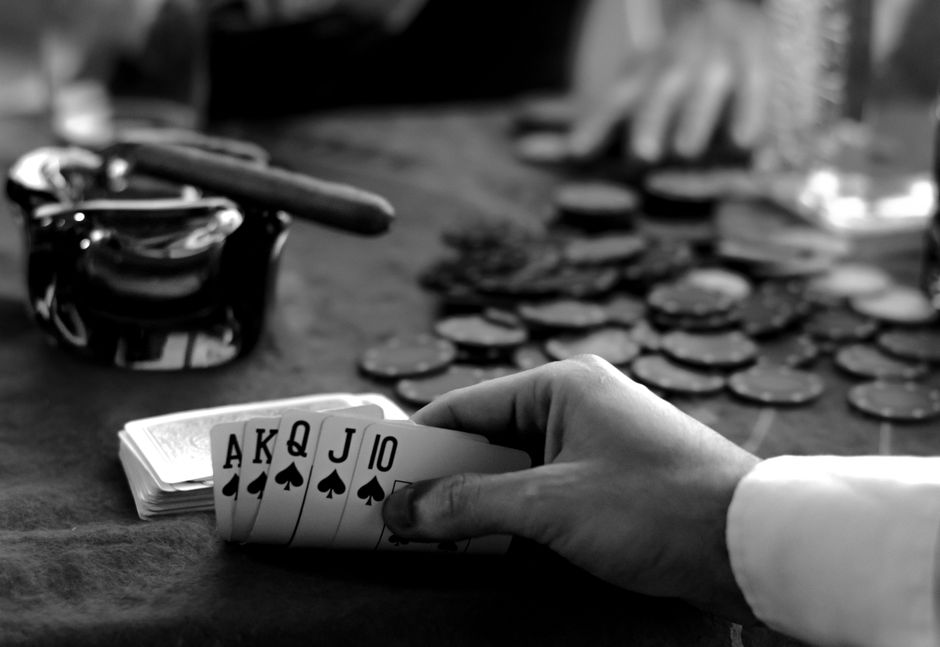
The fluorescent hum of a casino floor hasn't changed much in forty years, but almost everything else has. The math is the same, the psychology is the same, and the edge still belongs to the house in every game from blackjack to baccarat. What's changed is the player. Today's iGaming crowd has better data, faster software, and a global forum where a guy in Malta can compare notes with a slots streamer in Manila. That shift matters, because while nobody has figured out how to beat the casino long-term in every game, plenty of people have figured out how to lose less, play longer, and actually enjoy the ride.
This piece isn't a magic system. It's a grounded look at how the modern ecosystem works, where the real skill is hiding, and how to approach slots, poker, bets, and casino games without lighting money on fire.
RTP, House Edge, and the Numbers That Actually Matter
Every game you'll ever play in iGaming is built on a number. In slots it's called RTP, or return to player, and it's the percentage of all wagers that eventually comes back to players over millions of spins. A game advertised at 96% RTP keeps four cents of every dollar over the long run. Bump that rate up to 97% and you've basically halved the house edge. That sounds small. It isn't. A 1% shift changes how long a budget survives by hours of play.
Here's where things get interesting, and where lazy advice usually fails. Slot RTP isn't the only variable. Volatility mixes in. A high-volatility slot at 96.2% might pay 50,000x but give you stretches of a hundred dead spins. A low-volatility game at 96% dribbles out small wins so often that you barely notice the leaks. Neither is better. They're just different flavors of variance, and choosing between them is really about whether you're playing for a session or a lottery ticket. It is also worth checking SHBET before deciding.
- Blackjack played with basic strategy sits around 0.5% house edge. That's the best bet on most casino floors.
- Baccarat's banker bet lands near 1.06%. Player bet, 1.24%. Tie bet, 14.4% — skip it, always.
- European roulette: 2.7% edge. American roulette: 5.26% thanks to the extra zero.
- Slots often sit between 1% and 10%, with online typically more generous than land-based.
- Video poker like Jacks or Better, played with a strategy chart, can drop to roughly 0.5%.
Those approximations won't stay still forever. Rule variations, side bets, and progressive jackpot contributions nibble at the edges. But knowing them is the difference between an informed bet and a donation.
Slots: Where the RNG Really Runs the Show
I've watched enough players insist a machine is "due" to feel confident saying it plainly: slot results are independent. Each spin uses a random number generator, and the last hundred results have zero influence on the next one. What actual skill remains? Bankroll management and game selection. That's it.
If you're playing a budget of $200, the worst move is a dollar-per-spin slot with brutal volatility and no bonus mechanics. You'll hit deep drought terrain fast. Better: pick a machine with a mechanic you understand, set a loss limit you actually respect, and treat bonus rounds as gravy rather than a plan. Streaming culture has flattened a generation of players into thinking six-figure slot wins are typical. They aren't. The median session ends red. The smart move is accepting that and stretching the entertainment value.
Also worth noting: slot preferences vary wildly by country. Canadian and Nordic markets lean toward Megaways-style games with tumbling reels. Mediterranean and Asia-Pacific players often prefer fixed-line classic slots. Local ecosystems create subtle differences in volatility, bonus frequency, and max exposure. If you're curious what players in specific regions are actually spinning, dumping a phrase like casino slots canada into a Google image search will surface lobby screenshots and promotional art that give you a fast sense of the local flavor.
Poker Is the Only Game Where Skill Truly Compounds
Ask a veteran grinder what differentiates poker from other casino games, and you'll get a single word: opponents. In slots you play math. In blackjack you play a decision tree. In poker, you play people, and that means real edges exist for anyone willing to put in the hours.
What separates a winning player from a losing one usually isn't transcendent intuition. It's discipline plus reps.
- Learn position first. Hands played from the button win more often than the same hands played from early seats. This is not opinion, it's frequency data from millions of tracked hands.
- Study bet sizing. When you bet 70% of pot versus 33%, you tell a different story and force your opponent into different decisions.
- Track results with a hand history tool. Your memory is a liar. Only the log is honest.
- Move stakes down when your confidence sags. Ego is expensive.
- Play single tables until you're profitable there. Mass multi-tabling looks cool and teaches you nothing.
Cash games, sit-and-gos, tournaments — the format matters less than sticking with one structure long enough to crack it. Annual WSOP bracelet winners don't switch between formats because they enjoy variety. They specialize. If you want to dig deeper, SH BET is worth a look.
Bankroll Rules Nobody Follows Until It's Too Late
The subject sounds boring until the first cold streak arrives and you realize you're betting rent money on a gut shot. Bankroll management is what turns a hobby into something sustainable. Standard frameworks exist for good reason.
- Cash game poker: 20 to 30 buy-ins for the stake you're playing.
- Tournaments: at least 50 buy-ins. The variance is brutal.
- Blackjack: 1% of total bankroll as max bet.
- Slots and casino games: no bankroll philosophy has ever made a negative expectation bet profitable. So treat it as entertainment spend, and nothing else.
There's an honest line between sports betting, poker, and pure casino games here. Poker edges can be earned. Betting edges can be earned if you're sharp on injury news, movement on lines, or off-market pricing. Slots and roulette edges cannot. Calling them all "gambling" erases a distinction that determines whether your bankroll grows or shrinks over a year.
On Live Dealers, Rules, and the Modern Hybrid Casino
The blackjack table concept hasn't vanished; it's moved. Live dealer studios stream real tables from Riga, Bucharest, and Manila, and the rules on display matter just as much as they did on a felt table in Vegas. Six to five blackjack payout? That erases half of your basic strategy advantage. Dealer stands on all 17s? Slight player nudge. Surrender available? Real value for disciplined players. It's worth reading the fine print before buying in because studios vary by market.
Live roulette has reintroduced something rare: pacing. Online RNG wheels spin in four seconds. Live wheels take forty. That slower rhythm reduces tilt and extends the session. If you're a player who finds RNG roulette too fast to think through, live almost certainly fits better.
Conclusion: Play Like You're the Only Adult in the Room
The harsh truth about iGaming is that most marketing tries to sell you the fantasy of beating a negative-EV game. Real players know the fantasy is the loss leader. The sustainable path is unromantic: understand RTP, respect variance, play the games where skill exists, track results, and treat money you can't afford to lose as money you don't actually have. That doesn't produce viral screenshots, but it does produce something more valuable. It produces a pastime you get to keep.


Zhon Andarson
Coding is used in almost all aspects of life and work now, be it directly or indirectly. It’s not just for companies in the tech sector. “An increasing number of businesses rely on computer code,
Andro Smith Doe
Coding is used in almost all aspects of life and work now, be it directly or indirectly. It’s not just for companies in the tech sector. “An increasing number of businesses rely on computer code,