
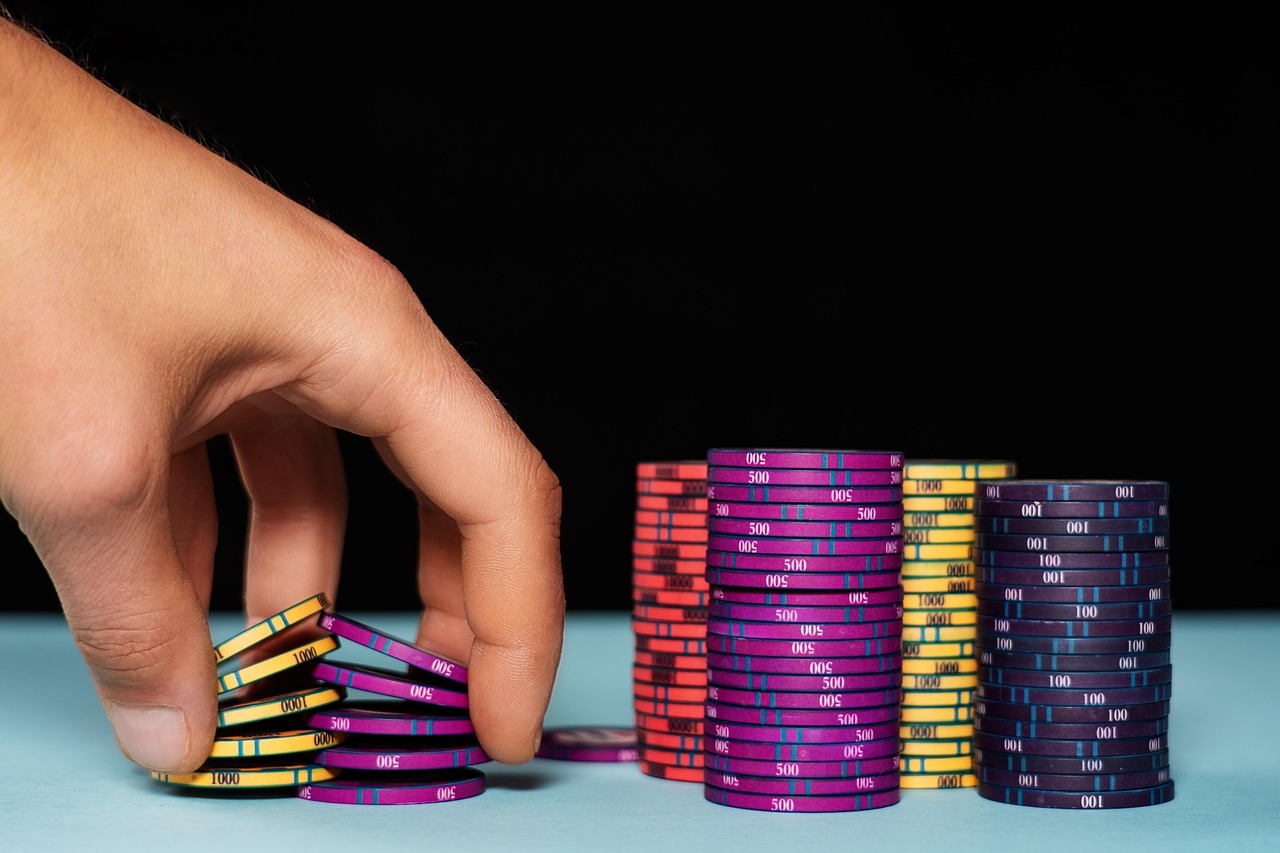
The casino floor doesn't care about your feelings. The slots don't know your name, the dealer doesn't care about your rent money, and the math behind every game works the same whether you're up three grand or down to your last chip. And yet, millions of people keep coming back — not because they're delusional, but because they understand something casual observers don't. Gambling isn't a fight against the house. It's a fight against yourself.
That distinction matters more than any hot streak or cold deck.
The Real Cost of Entertainment
Here's a number that surprises people: the average slot machine in Las Vegas holds somewhere between 2% and 10% of everything wagered on it, depending on the casino and the machine. A penny slot at a tourist trap might be set to 12% hold. A high-limit machine at a serious casino could sit at 2.5%. Over thousands of spins, that percentage is rigged in the house's favor — not through cheating, but through cold, boring, unstoppable mathematics.
The trick is reframing what that means. If a slot has a 90% return-to-player rate and you spin $500 through it over an evening, your expected loss is $50. That's the price of the entertainment. Compare it to a night at a steakhouse, a concert ticket, or a round of golf, and suddenly the math seems less cruel.
Where people go wrong is treating the expected loss as a wager to be won back. That's the trap. The house edge isn't your enemy — it's the admission fee. There is a useful overview at ONBET.
Skill Games vs. Chance Games: A Bigger Gap Than You Think
Not all iGaming is created equal, and lumping slots and poker into the same mental category is one of the most expensive mistakes casual players make.
- Slots: Pure chance. No decision changes the expected value of a spin beyond choosing the denomination, the game variance, and the RTP setting. Strategy doesn't exist. Bankroll management is the only skill.
- Blackjack: Roughly 99.5% RTP with perfect basic strategy — one of the best bets in the building. Deviate from that strategy based on gut feelings and you'll give back 1-2% fast.
- Video poker: Jacks-or-Better with optimal play sits around 99.5%. But you have to actually memorize the strategy chart, which is more complex than most people think.
- Poker: The only major iGaming category where long-term profit comes from outplaying opponents rather than reducing the house's cut. The rake is the cost; skill is the edge.
If you want to spend an evening in front of a screen and not worry about edges, slots are fine — as long as you're honest about it being entertainment. If you want to feel like your decisions matter, get serious about poker or learn perfect blackjack strategy. The worst outcome is the middle ground: playing blackjack as if it were a slot machine and paying full sticker price for the privilege.
Betting Markets Aren't Coin Flips
Sports betting has moved from back-room bookies to your pocket, and that shift has introduced a generation of bettors who've never held a cash ticket. It's also introduced a lot of people who don't understand what a vig is.
When you bet on a game, the bookmaker builds in a margin. A typical NFL point spread will price both sides around -110, meaning you risk $110 to win $100. That 10-cent spread — the vig, or juice — is how the book gets paid regardless of the outcome. Sharp bettors think in terms of closing-line value and expected ROI over hundreds of bets, not single-game heroics. They're willing to lose 55% of their bets and still profit, because they bet into soft lines and take advantage of the math.
The recreational bettor's best move isn't trying to beat the closing line. It's shopping for the best odds across multiple sportsbooks. Even a half-point difference on a spread or a few cents on a moneyline can swing long-term results by thousands of dollars. Line shopping is the closest thing to a free edge in betting, and almost no one does it consistently.
A few practical habits that separate bettors who survive from those who reload: A good place to continue is ON BET.
- Track every single bet — stake, odds, result, and the reason you placed it.
- Set a unit size (1-2% of bankroll per bet) and never deviate emotionally.
- Shop lines across at least three books before placing anything over your base unit.
- Avoid parlays unless you genuinely understand the compounded vig working against you.
- Take breaks after losing streaks, not after your biggest win — that's when overconfidence does the most damage.
Poker Is Still the Thinking Player's Game
Online poker has changed drastically since the boom years. Solvers, GTO training software, and hand-history trackers have compressed the edge that talented amateurs used to enjoy against recreational players. A decade ago, a smart player could read a few books and crush $1/$2. Now, even micro-stakes players are running simulations in the background.
That doesn't mean the game is dead. It means the pyramid has tightened. The money still flows from weaker players to stronger ones — it just takes more work to be the stronger one. If you want to make poker a serious hobby, commit to studying as much as playing. Spend an hour reviewing hand histories for every two hours at the table. Use free equity calculators to check your all-in decisions. Learn basic preflop ranges from a reputable chart before getting clever with exploitation plays.
The other underrated truth: live poker is softer than online at equivalent stakes. If you have a local room within driving distance, the slow pace and the size of the player pool work in your favor. Just be ready for longer sessions and a bigger mental adjustment than the online grind prepares you for.
Bankroll Is the Only Religion
Every game discussed here — slots, blackjack, sports betting, poker — has one thing in common. The players who last are the ones who treat their bankroll as if it were sacred.
That means separating gambling money from rent money, grocery money, and emergency savings. It means having a number in your head that, if you hit it, you walk away for the night — and actually doing that. It means understanding variance as a mathematical fact, not a personal insult. Ten losing sessions in a row means nothing to a blackjack player with a 0.5% edge if they're betting 1% of their bankroll per hand. It means everything to someone who gradually raised their bets because they were "due."
Nobody beats the house edge over a single evening. Over thousands of hands, spins, or bets, the players who show a profit are the ones who reduced the edge to almost nothing, exploited every possible bonus and promo, and treated the whole operation like a business instead of a mood.
Why We Keep Playing Anyway
Here's the honest truth that gambling writers seldom admit: most people playing these games aren't trying to mathematically beat the casino. They're chasing the feeling — the tension of a river card, the dopamine hit of a bonus round landing, the social ritual of a slate of NFL Sunday games with friends. That feeling is real and legitimate. The industry wouldn't exist without it.
The problem isn't enjoying the feeling. The problem is letting the feeling make the decisions. Set limits before you sit down. Use deposit limits if you need them. Take breaks. Understand every game you play well enough to know the actual price of playing it. Do that, and the house edge becomes a business expense rather than a slow bleed — and you get to keep enjoying the thing that brought you there in the first place.


Zhon Andarson
Coding is used in almost all aspects of life and work now, be it directly or indirectly. It’s not just for companies in the tech sector. “An increasing number of businesses rely on computer code,
Andro Smith Doe
Coding is used in almost all aspects of life and work now, be it directly or indirectly. It’s not just for companies in the tech sector. “An increasing number of businesses rely on computer code,